How indoor air quality, informed product choices, and Certified solutions can support healthier learning environments for students and staff
National Healthy Schools Day is a good moment to focus on something that quietly shapes the school experience every day: indoor air quality.

Each school day, an estimated 55 million children and 7 million adults spend their time inside school buildings. For many, the conditions in those environments are not always optimal. With children spending up to 1,000 hours in school each year, the air they breathe can have a direct impact on their health, attendance, and academic performance.
Research shows that exposure to poor indoor air quality increases the risk of respiratory issues, while improving IAQ can increase cognitive performance by up to 61%. This has clear implications for how students feel in the classroom and how well they are able to focus and learn.
What’s in the Air in Schools?
When indoor air quality is compromised, classrooms can contain a range of pollutants and irritants, including:
- Dust and mold, which can harbor allergens such as dust mite debris
- Volatile organic compounds (VOCs), potentially harmful chemicals released into the air from materials and products, often through a process known as off-gassing
- Bacteria and viruses, which spread more easily in poorly ventilated spaces
- Excess carbon dioxide (CO₂), leading to drowsiness and reduced attention
- Outdoor pollution, including emissions from idling vehicles entering classrooms
Together, these exposures can aggravate asthma and allergies, cause fatigue and headaches, impair concentration, and contribute to increased absenteeism.
Why Healthier School Environments Matter
Poor IAQ affects more than individual students. It impacts the entire school community, including teachers and staff, and can influence overall school performance.
Healthier indoor environments support:
- Better attendance
- Improved focus and learning outcomes
- Reduced exposure to common allergens and irritants
- Greater comfort for both students and educators
This is why improving IAQ is increasingly recognised as a foundational element of healthy, high-performing schools.
The Role of Asthma & Allergy Friendly® Certification
In a marketplace where terms like “hypoallergenic” are often unregulated, the Asthma & Allergy Friendly® Certification Program provides independent, science-based validation. The program evaluates products against strict scientific standards to ensure they contribute to healthier indoor environments. Certified products are tested for attributes such as reduced allergen exposure and low emissions, helping schools make more informed choices.
Importantly, these products are not only relevant for students with asthma and allergies. They support better indoor air quality for everyone in the building.
As part of this year’s recognition, the Asthma and Allergy Foundation of America (AAFA) is joining the Coalition for Healthier Schools, led by the Healthy Schools Network, to celebrate during the week of April 13, 2026. A series of free virtual events will bring together national leaders in environmental health, policy, and science, including AAFA President and CEO Kenneth Mendez and members of Congress, to reflect on progress and look ahead to the future of healthier school environments.
How Certified Partners Support Healthier Schools
A number of Asthma & Allergy Friendly® Certification partners are actively contributing to improved environments in educational settings, including Tarkett, Knauf, True Value, and Alen.
Flooring Solutions: Tarkett
Flooring plays a fundamental role in indoor air quality and allergen management. As Jonathan Stanley, Director of Education and Government Strategies at Tarkett North America, explains:
“At Tarkett, the health of students in the spaces where they learn is not an afterthought — it is central to everything we design. The research is unambiguous: flooring is not a neutral element in a school environment. It actively influences indoor air quality and allergen exposure, which can impact the long-term respiratory health of the children who occupy those spaces every day. That’s why the dual validation of Powerbond RS hybrid carpet — both its Asthma & Allergy Friendly® Certification and the growing body of science supporting impermeable flooring systems as a moisture control and IAQ solution— matters so deeply to us. Schools have a real choice, and we believe that choice should be informed by evidence. Powerbond RS gives schools a floor that works as hard for student comfort and safety as it does for the academics happening above it.”
Tarkett is particularly active in educational environments, working closely with schools and universities to support healthier indoor spaces and Tarkett’s Powerbond® RS hybrid carpet, which is Certified Asthma & Allergy Friendly®, has demonstrated strong performance in real-world education settings. One example is the University of California, Merced, where Powerbond® RS hybrid carpet was selected for student housing to help manage the practical challenges that come with modern campus life, including the presence of emotional support animals.
Powerbond hybrid soft-surface flooring in Prospect Valley Elementary School in Wheat Ridge, Colorado
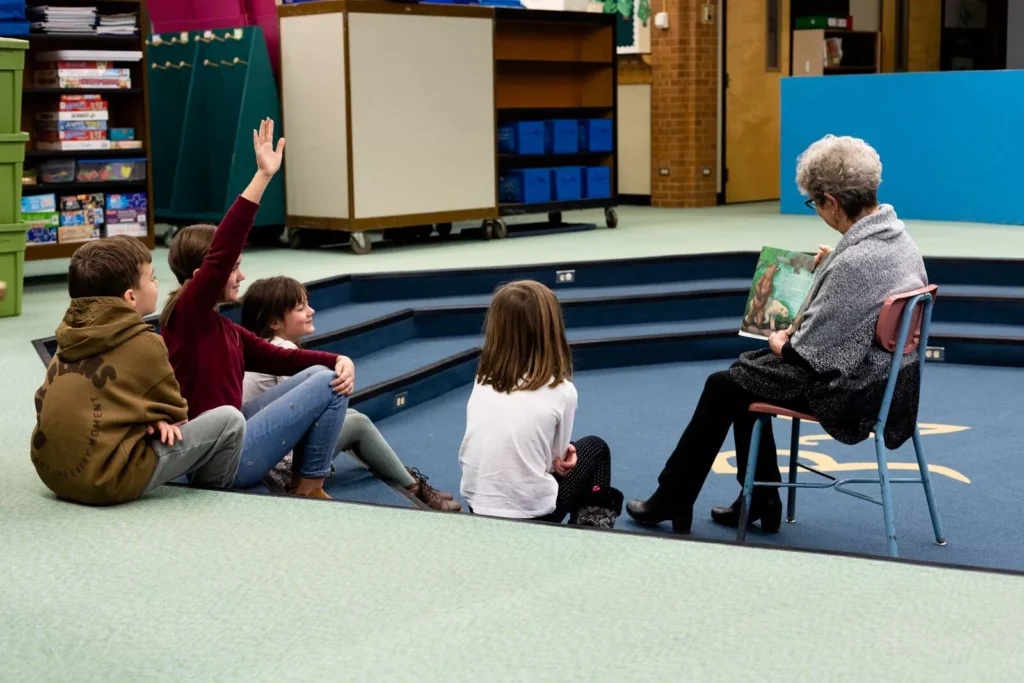
Another fine example is Prospect Valley Elementary School in Wheat Ridge, Colorado where Powerbond hybrid soft-surface flooring was installed in 1967. More than a half-century later, the school’s original Powerbond had outlasted the serviceable life of the building and was only removed in 2023 before demolition.
Building Materials: Knauf
Building materials play a lasting role in the indoor environment in schools, particularly when it comes to emissions and overall air quality. Insulation is a good example. It is largely invisible once installed, yet it remains in place for the life of the building, continuing to interact with the indoor environment over time. That makes it an important consideration in both new construction and renovation projects.
Knauf has demonstrated a clear commitment to improving indoor air quality in education settings, with its Asthma & Allergy Friendly® Certified and Verified Healthier Air™ Performance+ products specified across a wide range of projects – 21 projects across Texas and Canada – from elementary schools through to college facilities.
Darell Peil, Knauf’s Specifications and Business Development Manager for Commercial and Industrial, explains:
The consultants decided to include A&AF/VHA in these projects because of the clients they are serving. Both consultants are in markets where superior Indoor Environment Quality is desired by the school districts. These districts recognize that IEQ has an impact on student health and student performance. These districts have communicated to their consulting engineers and architects that the desire is for the healthiest and most sustainable buildings possible. These consultants recognized that A&AF/VHA certified products for insulation help validate high quality design and meets the goals of the districts.
Insulation that is Certified Asthma & Allergy Friendly® is independently tested to assess its contribution to the indoor environment. This includes evaluation of chemical emissions over time, as well as checks on particle and fibre release during installation and disturbance, and resistance to fungal growth. These factors are particularly relevant in school settings, where materials remain in place for decades and are part of everyday exposure.
Knauf’s approach reflects the role that building professionals play in shaping healthier school environments, supporting spaces where students and staff can feel more comfortable and better able to focus throughout the day
Air Purification: Alen
Air purification is another important tool in improving classroom environments. While they may not always be the first solution considered, they can help reduce airborne particles and complement existing HVAC systems, particularly in spaces where ventilation may be limited. Improving indoor air quality has been linked to better cognitive function and learning outcomes, reinforcing the value of these interventions in educational settings. Alen air purifiers are currently used in 90,000 classrooms across 3,000 schools, helping to support cleaner indoor air at scale.
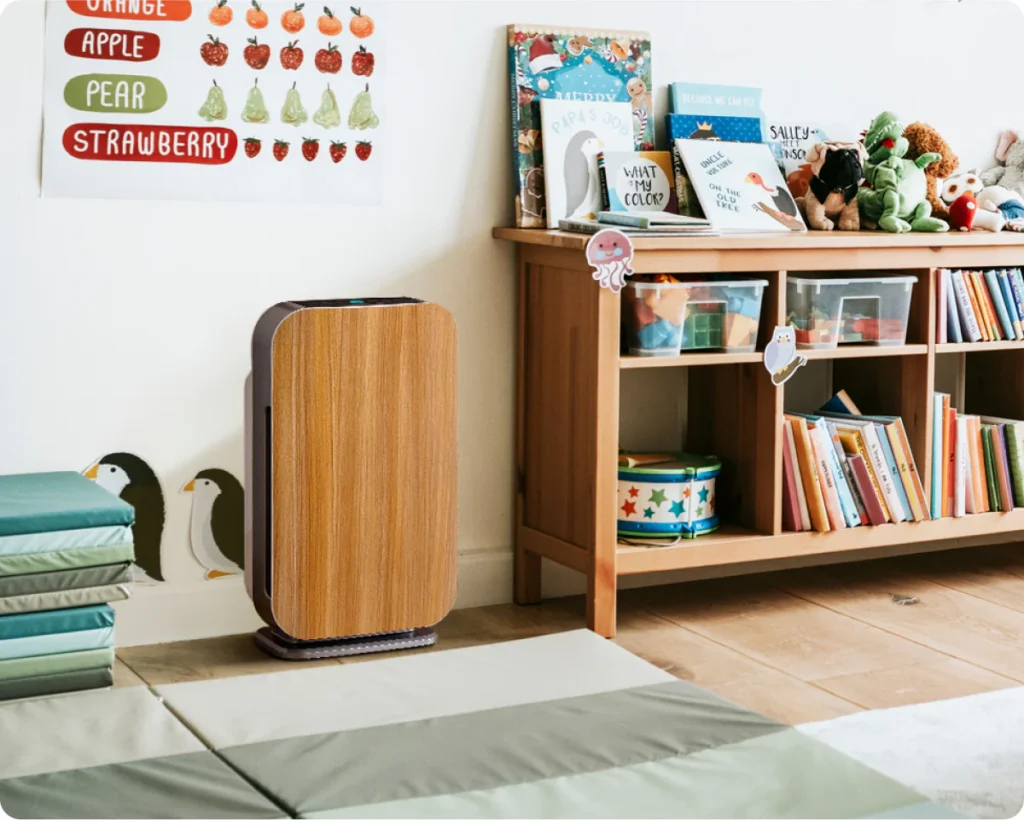
Alen air purifiers can help support cleaner classroom air by reducing airborne particles that affect student health and concentration.
As Warburg Lee, Founder and CEO of Alen, notes:
“Improving indoor air quality is one of the most effective ways to support consistent school attendance. Fewer sick days mean fewer disruptions to learning and better outcomes for students and families alike.”
Paul Miller, Director of Product and Engineering at Alen, adds:
“We talk a lot about student performance, but it starts with presence. Cleaner air helps children stay healthier, which means more days in school and fewer missed lessons.”
Alen units are designed to operate quietly and efficiently, allowing them to run throughout the school day without disrupting lessons, testing, or group instruction. Their use is not limited to classrooms, and can extend to front offices, nurses’ offices, and shared spaces, helping schools maintain more consistent air quality across the wider campus.
Community Impact: True Value
Creating healthier school environments also extends beyond products to community initiatives. Through its Painting a Brighter Future program, True Value has donated over 68,000 gallons of paint to schools and youth-focused organisations, covering more than 27 million square feet of space.
Research shows that refreshed and well-maintained environments can positively influence student attitudes and academic performance. True Value’s EasyCare Asthma & Allergy Friendly® Certified paint, designed with low VOC emissions, supports these improvements while contributing to better indoor air quality.
Practical Steps Schools Can Take
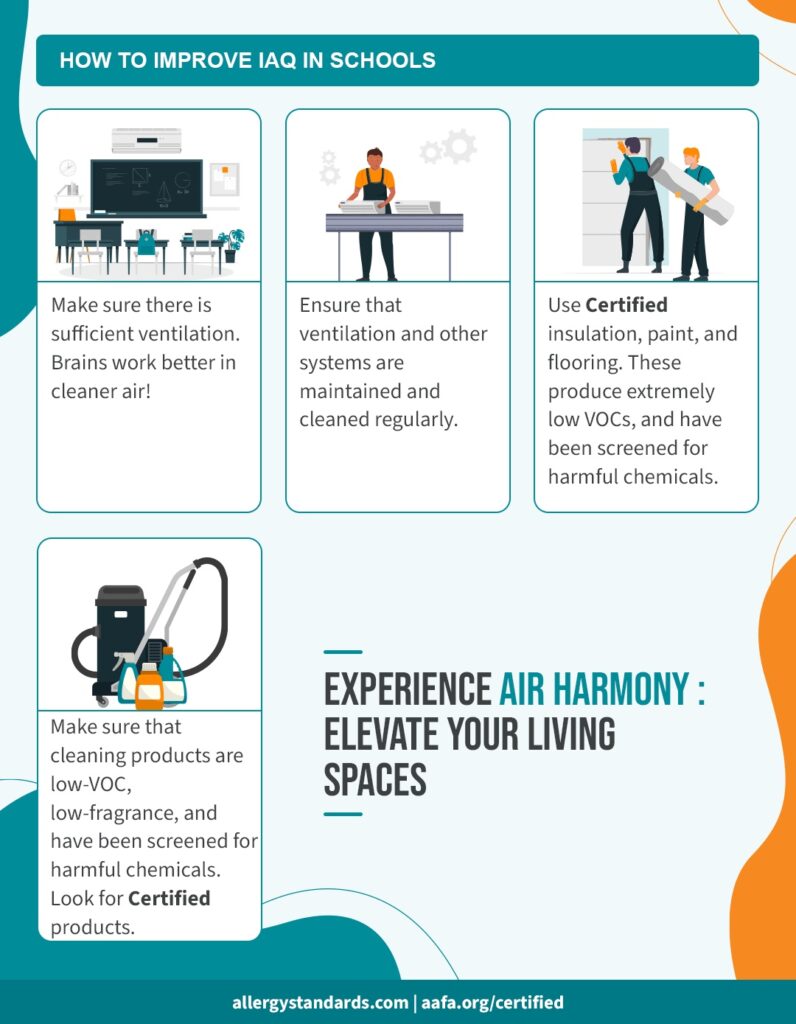
Improving indoor air quality does not always require major renovations. Evidence-based strategies include:
- Increasing ventilation where possible
- Choosing low-emission materials and furnishings
- Maintaining HVAC systems and replacing filters regularly
- Controlling humidity to prevent mold growth
- Selecting flooring that is easy to clean and supports allergen removal
- Using Certified air purifiers and cleaning products
- Reducing outdoor pollution sources, such as vehicle idling
These actions, combined with the use of independently tested and Certified products, can make a meaningful difference in everyday school environments.
Healthy Schools Start with Healthy Air
According to the EPA, half of schools in the United States have indoor air quality issues. With so much at stake (from student health to academic performance) improving IAQ is essential.
Each day, millions of students and educators rely on school buildings to support both health and learning. Where those environments fall short, the impact can be felt in attendance, concentration, and overall wellbeing. The evidence is clear that improving indoor environmental quality can support better outcomes for both students and staff.
National Healthy Schools Day highlights both the progress made and the work still to be done. By combining better building practices, informed product choices, and a focus on indoor air quality, schools can create environments that support student health, attendance, and learning over the long term.