The science
Rigorous, science-led and independently tested.
The Asthma & Allergy Friendly® Certification Program is built on peer-reviewed scientific standards developed by Allergy Standards Limited and reviewed by AAFA’s Medical Scientific Council, not on marketing claims.
Indoor air quality
Most of the air you breathe is indoor air.
On average, people spend up to 90% of their time indoors, and indoor air can be two to five times more polluted than the air outside.
Indoor Air Quality is of particular concern for those affected by asthma and allergies, but a healthier home is of broader benefit to all.
is spent indoors
than outside
What testing looks like, category by category
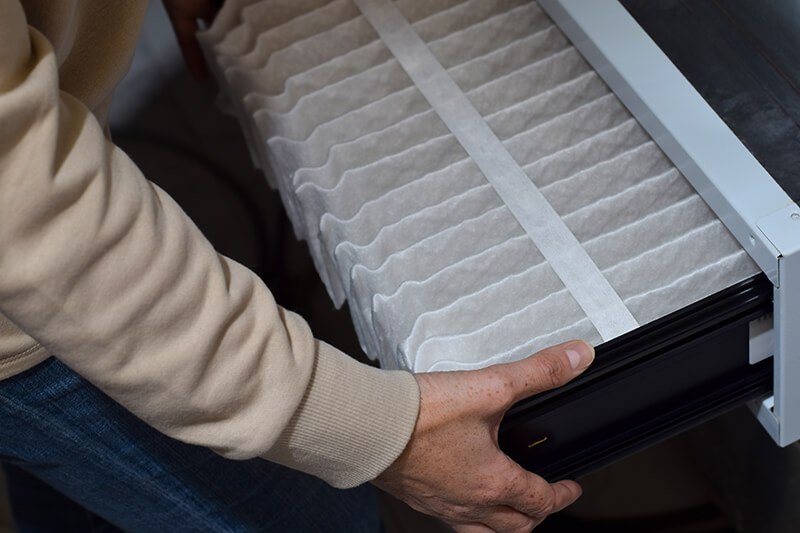
HVAC filters
We test the product in an environmentally-controlled test duct, using test dust that contains allergens. It is important that the filter can remove allergens from the air, and different allergens respond differently to filtration, because they have different sizes and features. Our standard addresses these issues.
Interior paint
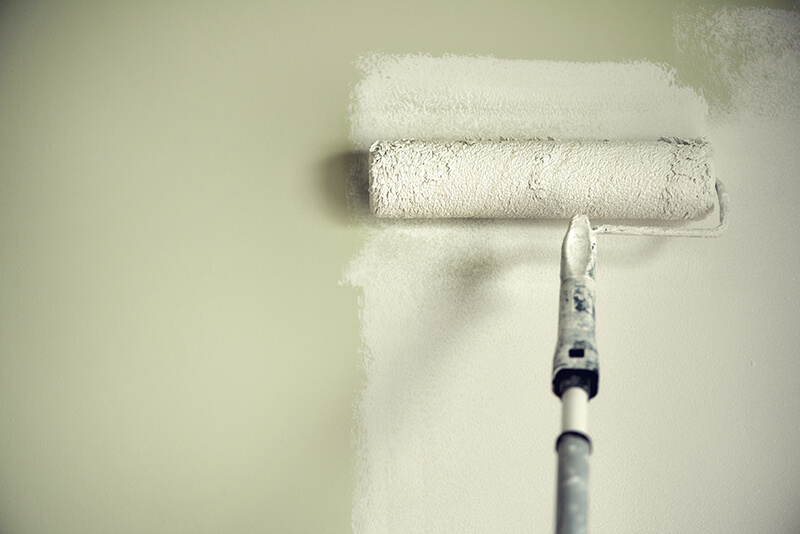
Paint covers more surface area than almost any other indoor material, continuing to emit harmful chemicals long after it dries. Certified paints are rigorously tested for : a) chemical emissions during curing
b) release of irritants when cleaning the dried painted surface.
Room air cleaners
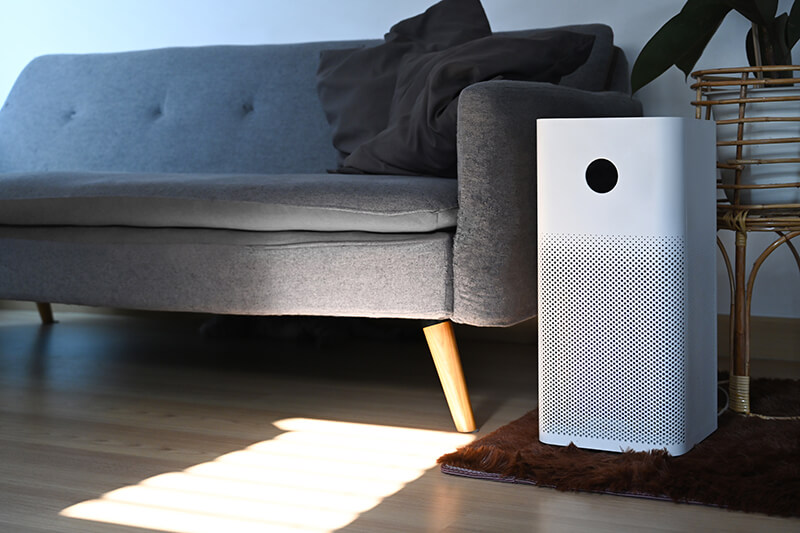
A portable air cleaner is only as good as its performance in real homes. We test the removal of allergens from dust mites, pet dander and pollens,in an environmental chamber simulating the home environment. We also ensure that the device does not generate secondary pollutants.
Bedding & encasings
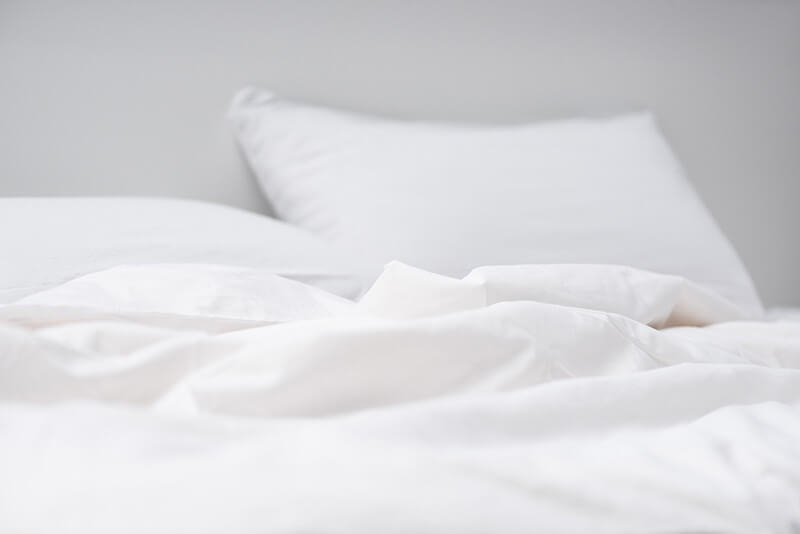
You spend a third of your life in close contact with bedding, and it is where dust mite allergen concentrates. Certified bedding is tested as a barrier — how well it keeps allergen out, whether it survives repeated hot washing, and what it is treated with.
What the program does
Helping people identify products that make a genuine difference
How a standard is made
Five steps from community need to certified product
01
Listen to the community
AAFA and ASL conduct market research and listen to feedback from AAFA’s asthma and allergy community about what people actually need in their homes.
02
Develop the standard
ASL reviews the scientific literature and clinical studies, then develops a strict standard with the criteria any product in that category must be tested against.
03
Expert review
AAFA’s independent Medical Scientific Council reviews the proposed standard, and the boards of AAFA and ASL approve it before it is published.
04
Independent testing
Companies send their products to independent, accredited laboratories. ASL manages the testing process to ensure the strict protocol is followed exactly.
05
Earn the mark
Products must pass every required test to qualify. Each certified product receives a certificate and a unique certification code, and is re-tested to stay listed.
46
standards in the program
Covering appliances, bedding products, air filters, building products, and services that can have an impact on the indoor air environment.