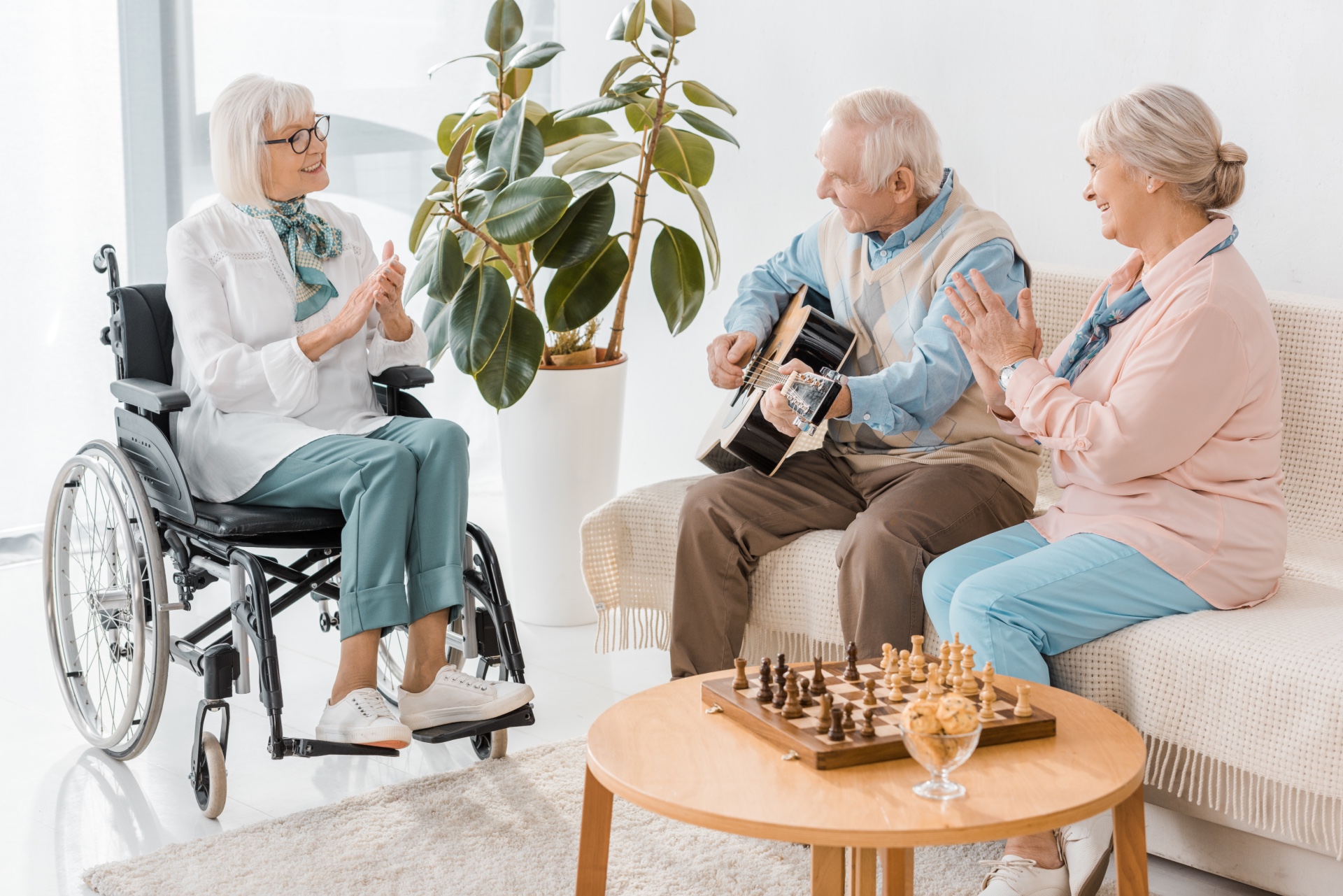
Healthy aging starts with healthy environments — where residents can enjoy everyday moments together in comfort.
Introduction: What You’ll Learn
September marks National Healthy Aging Month, a good reminder that where and how older adults live plays a central role in their health. Senior living facilities are designed to be supportive and comfortable for older adults, and indoor air quality (IAQ) is one design factor that, although invisible, can play a central role in supporting their health and wellbeing.
In this article, you’ll learn:
- Why IAQ and allergen reduction matter more in senior living facilities.
- How evidence-based and human-conscious design approaches can improve resident well-being.
- Examples of Certified Asthma & Allergy Friendly® products already making an impact in senior living settings.
- How facility managers, procurement teams, and families can use certification as a trustworthy guide.
Why Indoor Air Quality Matters for Seniors
According to the U.S. EPA, Americans spend about 90% of their time indoors, and older adults often spend even more. This makes seniors particularly vulnerable to airborne pollutants and allergens. Chronic conditions such as asthma, COPD, and heart disease are more common in this age group, and poor indoor air quality can aggravate these health issues.
Volatile organic compounds (VOCs) from paints or flooring, particulate matter from dust or cleaning, and allergens like mold or dust mite allergen all accumulate indoors. Without effective controls, these hidden exposures can affect respiratory comfort, sleep quality, and overall wellbeing.
Poor indoor air quality may adversely affect not only health and wellbeing, but also contribute to higher staff absenteeism and increased dissatisfaction among families making care decisions. That’s why IAQ must be treated as a foundational design and operational priority in senior living.
Design Approaches That Support Aging Well
Evidence-Based Design
Borrowed from healthcare settings, evidence-based design uses research to guide decisions about the built environment, favoring low-emitting materials, smart ventilation, easy-to-clean finishes, and independently certified products tested under real-world conditions. The result: measurable improvements in resident comfort and staff performance, with fewer environmental triggers for health complications.
Human-Conscious Design
Human-conscious design puts residents’ comfort, dignity, and health at the center of every product decision, asking whether a choice improves daily life, reduces allergens and irritants, and creates a space that feels more comfortable and welcoming. Because this people-centered approach demands accountability, independent, third-party certification is what lets facility managers move beyond marketing language and choose with confidence.
Here, we spotlight a few Certified categories and partners who are focused on senior living and who work hard to deliver products that support healthier indoor environments for older adults.
Certified Products for Senior Living Environments
Paint
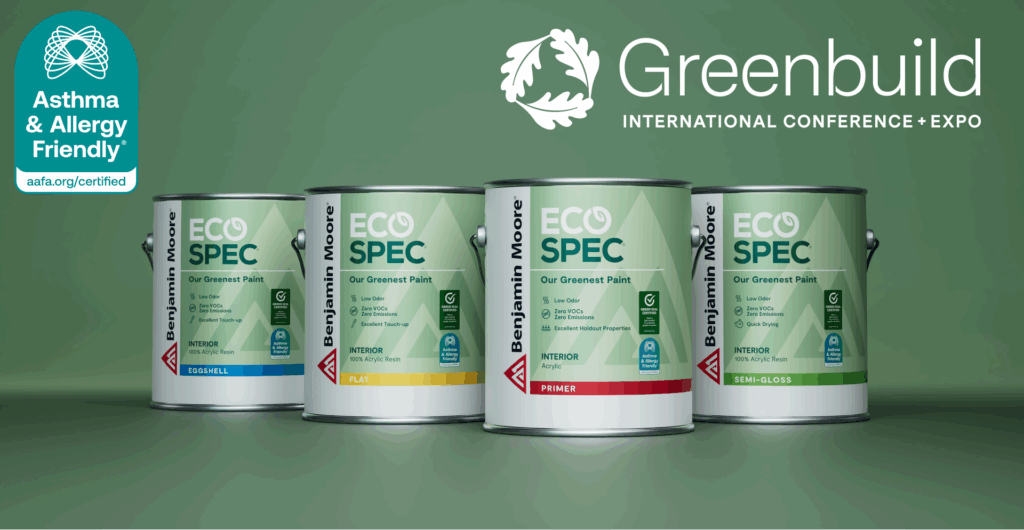
Benjamin Moore Eco Spec® paint line Certified Asthma & Allergy Friendly®
Paint plays a major role in indoor environments, especially where seniors may spend long hours. Conventional paints can release VOCs and irritants long after application, and may negatively affect indoor air quality.
Certified paints, such as Eco Spec® from Benjamin Moore, undergo rigorous, independent testing to confirm they meet the program’s strict standards for low emissions.
“For those who demand good indoor air quality, like many seniors, using Eco Spec is the ideal choice because it’s Asthma & Allergy Friendly® Certified. It also delivers very low odor that completely dissipates within an hour after application, so that spaces painted with Eco Spec can be reoccupied sooner, providing minimal disruption and fast return to space for residential or commercial spaces.” — Alfredo Valiente, Senior Product Marketing Manager, Commercial & Professional Brands and High Performance Line, Benjamin Moore
For facilities managing renovations or regular touch-ups, this combination of fast reoccupancy and long-term durability means fewer disruptions to residents’ daily lives.
Bedding
Seniors spend a significant portion of their day resting, making bedding one of the highest-exposure items in any senior living environment.
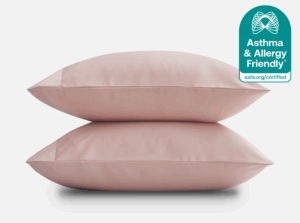
SIJO’s AiryWeight collection is Certified Asthma & Allergy Friendly®
Certified bedding, such as that from SIJO, plays a key role in supporting indoor air quality. Bedding is in constant contact with the body and can trap dust mite allergens that affect sleep and respiratory health.
“Sleep is a vulnerable time for people of all ages, but as we age and immune systems change or weaken, the products we use are increasingly more important.”— SIJO
SIJO’s luxurious AiryWeight bedding meets the following standards:
- Outer fabric must block allergens (e.g. dust mites) from passing through
- Is “breathable” for comfort
- Is easily cleaned to remove allergens
- Withstands the wear and tear of the recommended cleaning techniques; and
- Contains no chemicals known to trigger asthma and allergy symptoms
The independent testing behind the Asthma & Allergy Friendly® Certification ensures that claims like these are backed by science, giving facility managers, residents and families confidence that certified bedding will perform as promised.
Air Cleaners & Purifiers
For seniors managing asthma, COPD, or other chronic conditions, continuous air cleaning, whether in a single room or throughout an entire building, can make a real difference in comfort and wellbeing.
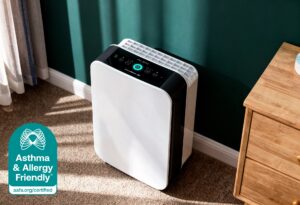
Alen BreatheSmart Air Purifier – Certified Asthma & Allergy Friendly®
Certified air purifiers, such as those from Alen and Rabbit Air, meet strict standards for allergen reduction and ozone emissions. In order for an air cleaner to earn Certification, strict standards for appropriate levels must be met when:
- Reducing allergens from the air
- Monitoring allergen levels after use to ensure reduction of allergens is a result of removal, not just redistribution
- Monitoring ozone levels to ensure they remain within the Code of Federal Regulations (CFR) limits
“Indoor air quality is an important part of healthy aging. Older adults may be more sensitive to airborne allergens and fine particles and often spend more time indoors. Healthy aging should be about more than managing the effects of getting older. It should include creating environments that support continued health, quality of life and longevity. Reducing exposure to common indoor pollutants can help create healthier spaces at home, in senior living communities, and in healthcare settings.” — Alen
“Good health matters at every stage of life. As we age, the environments where we live and spend our time should continue to support our health, well-being and quality of life. Clean indoor air is one part of that. We believe everyone deserves to breathe cleaner air as they age, whether they are living independently, with family or in a senior living community.” — Warburg Lee, CEO, Alen
Case Study Example: Brookdale Senior Living Solutions and Meridian Senior Center
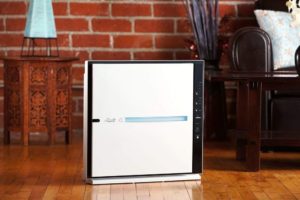
Rabbit Air – Certified Asthma & Allergy Friendly®
Senior living facilities such as Brookdale Senior Living Solutions and the Meridian Senior Center in Michigan already rely on Rabbit Air purifiers to support cleaner indoor environments. Rabbit Air also partners with nearly 250 allergists, ENTs, and pediatricians through its health program to share resources and raise awareness about the importance of clean indoor air.
“We are proud to be Asthma & Allergy Friendly® Certified, a distinction that gives consumers instant trust and confidence when choosing Rabbit Air. In senior living facilities, where residents spend the majority of their time indoors, prioritizing indoor air quality and allergen reduction is essential for maintaining a clean, welcoming environment.” — Rabbit Air
For facilities looking to address air quality on a larger scale, certified whole-home systems such as Trane’s CleanEffects® Whole Home Air Cleaner extend the same principle across an entire building, working with existing HVAC systems rather than treating a single room at a time.
“When it comes to indoor air quality, certified products can give homeowners added confidence that the solutions they’re bringing into their homes have been independently evaluated for performance. Trane’s CleanEffects® Whole Home Air Cleaner, for example, is Asthma & Allergy Friendly® Certified and is designed to remove up to 99.3% of particles and allergens from filtered indoor air, including particles as small as 0.3 microns. For homeowners looking to create a more comfortable indoor environment, solutions like CleanEffects can be an important part of a whole-home approach to indoor air quality. Rather than simply addressing air quality in one room, it works with the home’s HVAC system to help clean the air throughout the home.” — Tim Kovacs, Product Manager – Coils and Indoor Air Quality, Trane Technologies
Together, these certified solutions, from single-room purifiers to whole-home systems, give facility managers a range of proven options for reducing airborne allergens at every scale.
The Role of Certification in Care Facilities
Terms like “hypoallergenic,” “eco,” or “green” are not consistently regulated, which makes independent certification especially valuable. The Asthma & Allergy Friendly® Certification Program subjects products to rigorous laboratory testing, ensuring that performance claims are backed by science and that certified products won’t introduce new pollutants into sensitive environments.
Certification in paint, flooring and insulation also aligns with major building standards such as WELL and LEED, supporting ESG reporting and providing facilities with a clear competitive advantage. For families making difficult care choices, the Certification mark signals a trustworthy commitment to resident health.
Putting It Into Practice: Healthier Facilities, Healthier Aging
For facility managers and procurement teams, the path forward is clear:
- Look for the Certification mark when specifying products
- Prioritize certified options in renovations, cleaning protocols, and room furnishings
- Communicate these decisions transparently to residents and families, showing that the facility is committed to healthier environments
Practical steps, backed by certification, can help enhance reputation, reduce risks, and contribute to improved resident comfort and wellbeing.
Conclusion: Healthy Aging Starts with Healthy Environments
For residents who call these facilities home, health is influenced by hundreds of small decisions made long before they ever move in, decisions about what covers the walls, what covers the beds, and what moves through the ventilation system. None of these choices are visible, but all of them are impactful.
Certified Asthma & Allergy Friendly® products give facility managers a science-backed way to make those decisions with confidence. As National Healthy Aging Month reminds us to look closely at what healthy aging really requires, evidence-based and human-conscious design offer a lasting answer: environments residents can trust to support their comfort, dignity, and wellbeing, not just this National Healthy Aging Month, but every day.